

ABCs for School Zone Safety: Tips for Drivers, Pedestrians and Bicyclists
NEW YORK, Aug. 19, 2026 (GLOBE NEWSWIRE) -- (Feature Impact) A new school year means there’s more traffic around school campuses. Between dropoffs and pickups, children riding bicycles, walking to school and all the shuttling between sports practices and other extracurricular activities, this season is a reminder to make every trip to and from school a safe one.
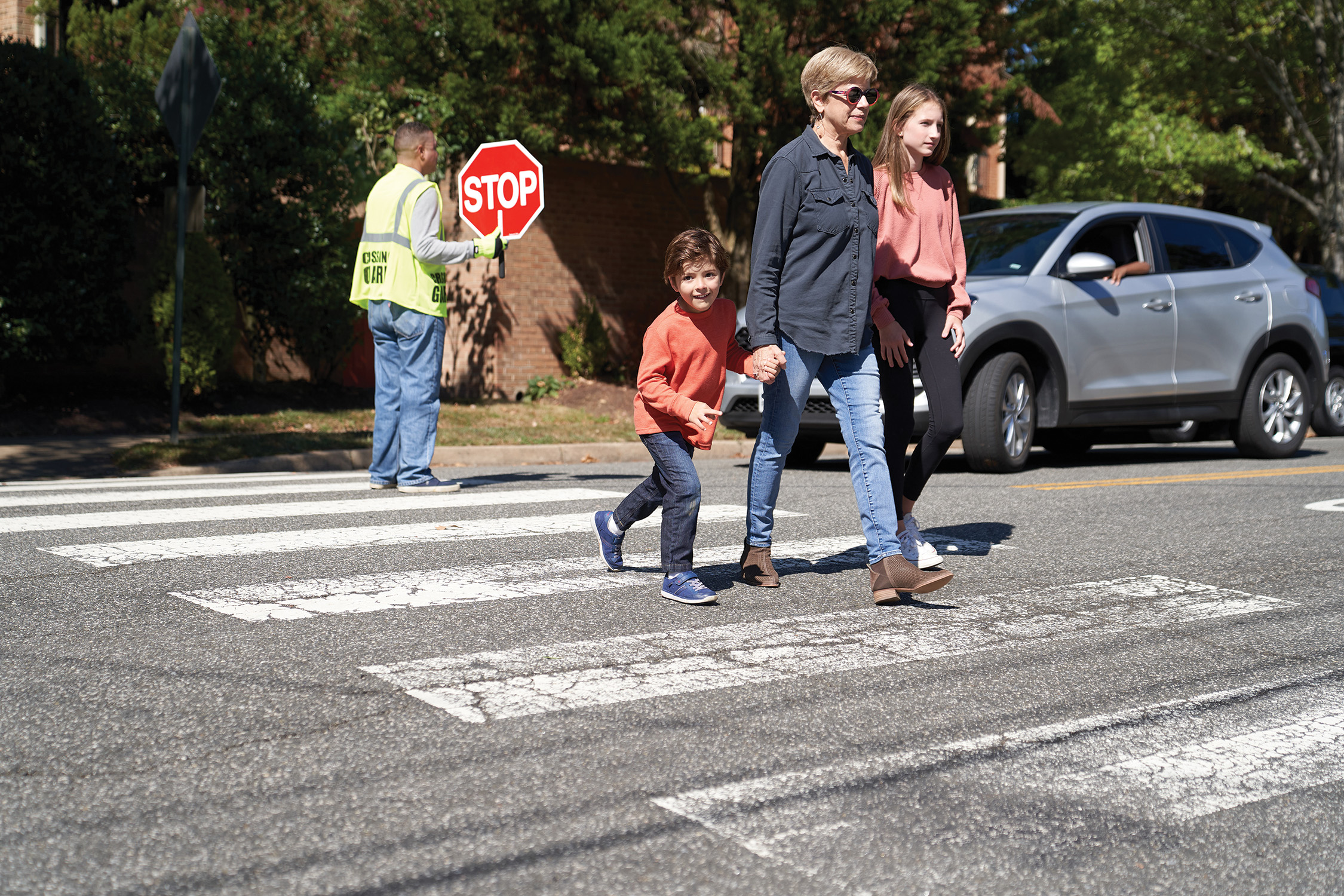
A Media Snippet accompanying this announcement is available by clicking on this link.
To make sure no parent worries about their child getting to school safely, the California Office of Traffic Safety (OTS) and Caltrans are encouraging drivers, pedestrians and bicyclists to remember their “ABCs” on every trip: stay Alert for Bicyclists and watch for and yield to Children crossing the street.
With students in school and traffic patterns changing, consider these tips so students arrive to and from class safely:
Drivers
Because children outside of vehicles do not have the same protections as drivers and passengers, drivers have an outsized role to protect people walking, biking and rolling.
- Take your time and be patient.
- Always follow the speed limit.
- Use extra caution at crosswalks and intersections, especially if you notice children nearby.
- Don’t drive distracted – even a quick glance at your phone can have tragic consequences.
- Never drive while impaired.
- Adjust your driving to the conditions and use extra caution in rain, fog and darkness.
- If you see a bicyclist ahead, wait until it’s safe to pass and give them at least 3 feet of space when you do.
Pedestrians
Pedestrians have an important role in their own safety, particularly in school zones and crosswalks where children and other people may be present.
- Use sidewalks when available. If there are no sidewalks, walk facing traffic so you can see drivers and they can see you.
- Avoid crossing outside of crosswalks. If there is a signalized crosswalk or marked crosswalk, use it.
- Before crossing the street, look both ways. If there are any stopped or turning cars, try to make eye contact with the drivers before crossing so you know they see you.
- If you’re walking after dark or when visibility is poor, make yourself visible by wearing something bright or reflective and shining a light.
- Stay alert – don’t wear headphones or use your phone while crossing the street or walking across a busy road.
Bicyclists
Bicyclists can help protect themselves by staying alert and visible, especially in areas where traffic, pedestrians and young students may be present.
- When possible, plan your route along bike paths or roads with dedicated bike lanes away from vehicle traffic.
- Equip your bicycle with lights and reflectors to be more visible to drivers and pedestrians.
- Wear a properly fitted helmet and bright clothing.
- Learn cyclist hand signals to communicate when you’re turning, slowing or stopping.
- Stay aware of drivers and always yield to pedestrians.
To learn more and join the movement, visit GoSafelyCA.org.
E-Bike Safety Tips
With more young people using e-bikes than ever before, it’s important that riders and their parents or guardians understand the risks involved and make smart, safe choices.
Since e-bikes can travel at faster speeds than traditional bicycles, they pose greater risk for serious injury or death in the event of a crash. Class 1 and 2 e-bikes can both travel at up to 20 mph unassisted, while Class 3 e-bikes can go as fast as 28 mph unassisted.
E-bike rules vary based on the top unassisted speed, but parents and guardians should follow these tips for e-bikes:
- Many local ordinances and state laws restrict e-bike use for minors or require special licensing.
- Helmets are required for riders under age 18 for Class 1-2 e-bikes and all riders on Class 3 e-bikes, regardless of age.
- You must be 16 years or older to ride a Class 3 e-bike.
- Never ride e-bikes that don’t have pedals as they could be considered e-motos and not legally permitted on roads.
- Ride in bike lanes or on legal paths, avoiding roads with traffic when possible.
- Be as predictable as possible and use caution when making turns, crossing streets or riding in conditions with poor visibility.
E-bike rules may vary by state and regionally. Contact local law enforcement regarding local laws.
About Feature Impact
Feature Impact is 4media group’s earned-first content solution for audience-ready storytelling at scale. Formerly Family Features, the editorial service delivers measurable earned media results and authentic consumer engagement through high-quality, topical and seasonally relevant multimedia content. Publicly-facing content is available at culinary.net and eLivingToday.com, with additional ready-to-publish resources for editors and journalists at editors.featureimpact.com. Learn more at featureimpact.com.

Michael French
michael.french@featureimpact.com
https://editors.featureimpact.com/
Legal Disclaimer:
EIN Presswire provides this news content "as is" without warranty of any kind. We do not accept any responsibility or liability for the accuracy, content, images, videos, licenses, completeness, legality, or reliability of the information contained in this article. If you have any complaints or copyright issues related to this article, kindly contact the author above.
